
Therapy For Adult Children of Narcissistic Parents
Understanding the Emotional Impact of Growing Up Without Space to Be Yourself

From the outside, you may be thriving. You are responsible, capable, highly empathetic, and driven. But internally, you carry a quiet, persistent exhaustion:
You struggle with chronic people-pleasing and feel immense guilt whenever you try to say "no"
You feel like an imposter in your own life, constantly second-guessing your decisions, feelings, and reality. ie) almost as if you gaslight your own self into thinking everything is your fault
You feel like you constantly have to mirror others in order to keep the peace. However as a result you often lose touch with yourself and lack understanding what you actually need/feel
You carry a deep fear of conflict or rejection, constantly scanning tone, body language, and subtle shifts in emotion.
You feel responsible for fixing or holding together the emotional states of partners, friends, or family members.
You struggle with persistent self-doubt or internalized shame, as if there is a silent voice always telling you that you aren't doing enough.
Do You Feel Like You Spent Your Childhood Managing Everyone Else’s Emotions?
When you grow up with a narcissistic or deeply self-absorbed parent, your childhood looks very different from what it should have been. Instead of being attuned to, held, and allowed to discover who you were, you likely learned early on that your safety, peace, and acceptance depended on reading the room—and adjusting yourself accordingly.
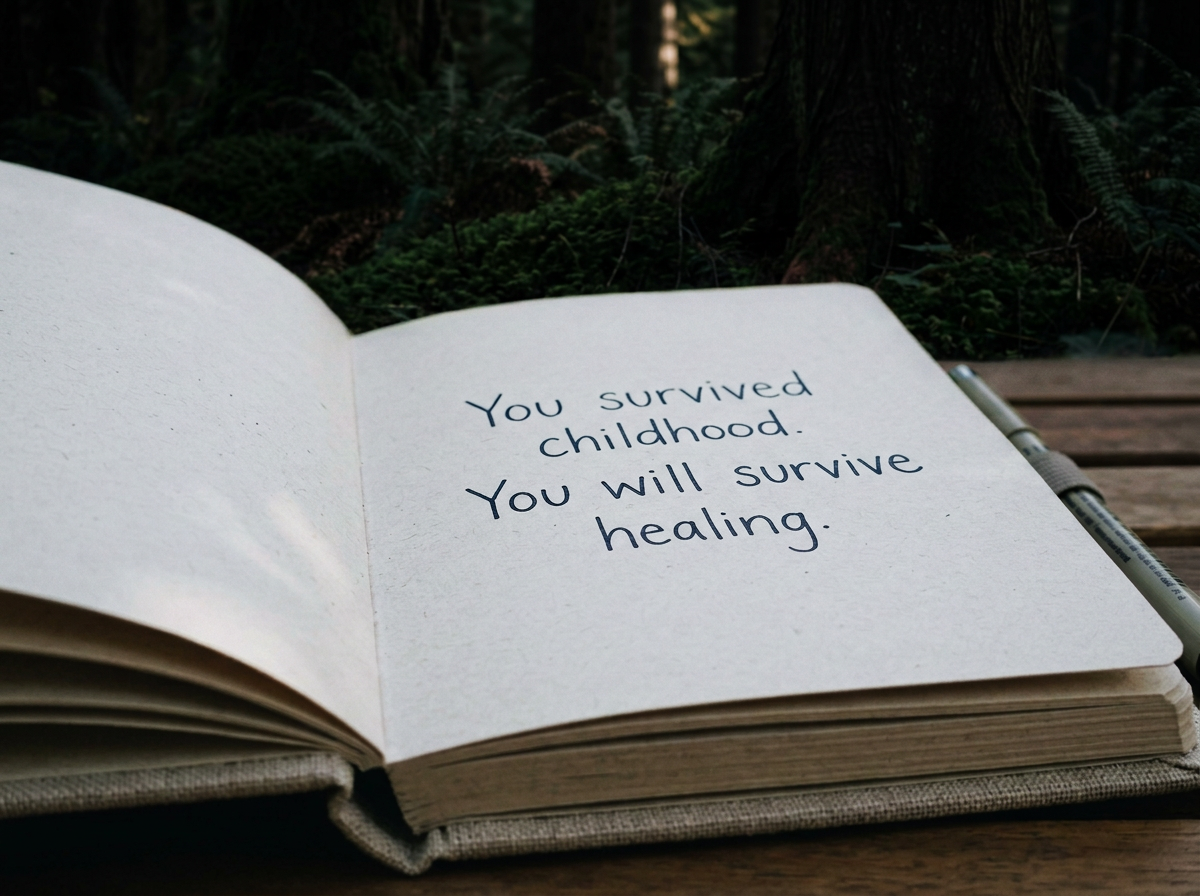
Loss of the Authentic Self
When you spend years prioritizing someone else’s delicate ego or emotional volatility, your own authentic preferences get buried. In adulthood, this often manifests as feeling detached from your identity, paralyzed by decision-making, or feeling like you don't truly know who you are when you are alone.
Chronic Hypervigilance & Relational Anxiety
Growing up in a home where love felt conditional—or where a parent’s mood could shift instantly—trains your nervous system to stay on high alert. As an adult, you may find yourself constantly scanning your partner, boss, or friends for signs of anger, disappointment, or withdrawal.
Guilt Around Autonomy & Boundaries
Narcissistic family dynamics treat independence as betrayal. When you try to establish boundaries, assert your needs, or step out of the designated family role, you are often met with guilt trips, gaslighting
Understanding the Impact of Growing Up Mirroring Others
Children inherently depend on their parents for emotional attunement and safety. When a parent’s emotional world dominates the household—demanding admiration, emotional caretaking, or complete compliance—the child adapts by suppressing their own internal life.

How Does Psychodynamic or Inner-Child Work Help Heal These Deep Rooted Attachment Wounds?
Psychodynamic and inner child work can help bring these early relational patterns into greater awareness. Therapy may involve exploring the roles a child learned to occupy, the emotions that were discouraged or disallowed, and the ways those adaptations continue to appear in adult relationships. Self-doubt, people-pleasing, perfectionism, guilt, and difficulty trusting one’s intuition can sometimes be understood as protective strategies that once helped maintain attachment or emotional safety.
As these patterns are understood more deeply, there can be space to develop a different relationship with the self. This may include becoming more able to recognize and tolerate one’s own feelings, trust internal signals, question harsh or critical internal voices, and distinguish personal desires from the expectations of others. Over time, the work can support a more cohesive sense of identity, greater self-esteem, and a stronger internal source of emotional support.
Let Your Journey Towards Inner Healing Start Today
